
Ostrich Fern (Edible Fiddleheads, Woodland Perennial)
£7.75
Ostrich Fern (Matteuccia struthiopteris)
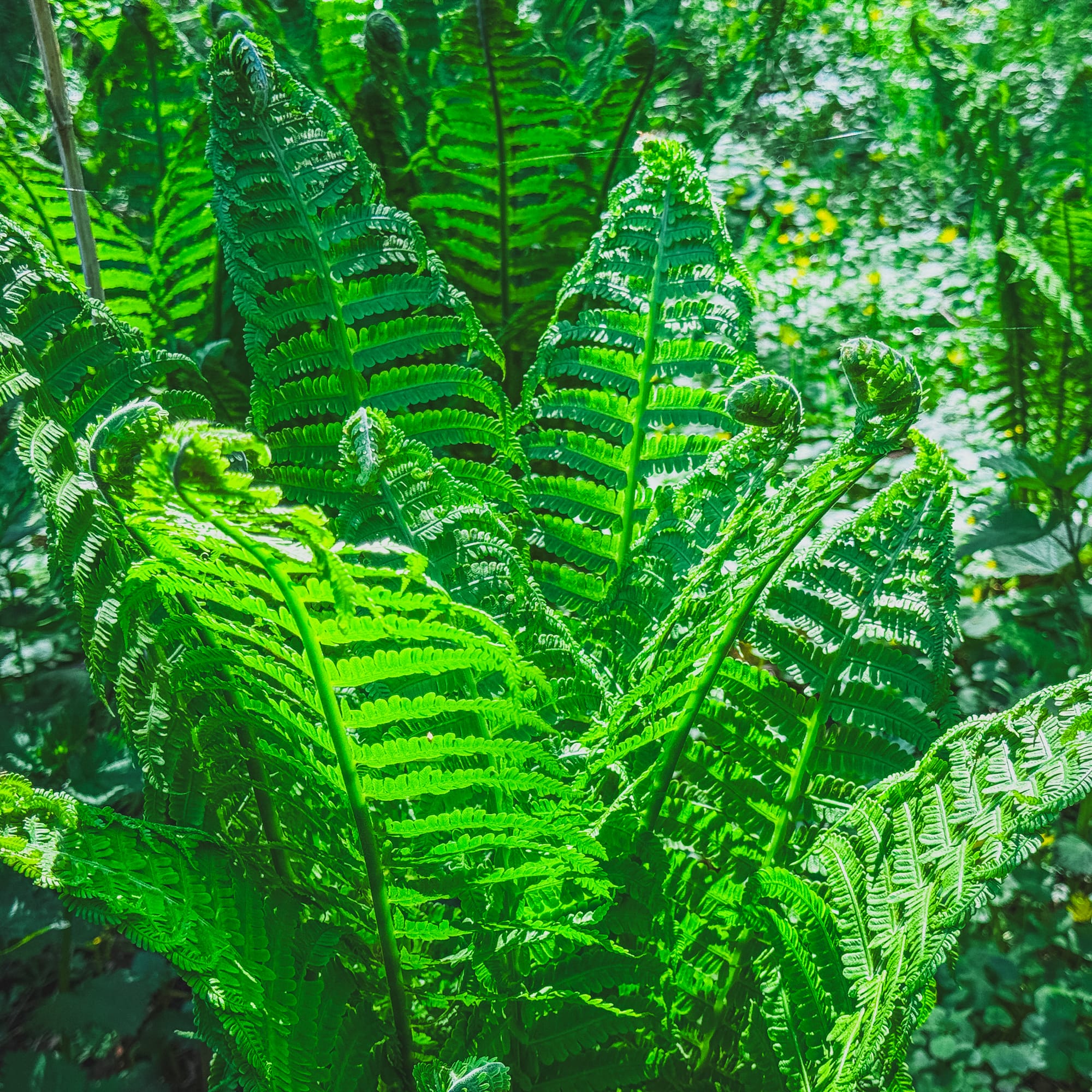
Ostrich Fern is a magnificent, deciduous fern native to the temperate woodlands of the Northern Hemisphere. In the culinary and permaculture worlds, it is globally celebrated for its early spring growth. As the plant breaks dormancy, it sends up tightly coiled immature fronds known as “fiddleheads.” When harvested at a strict stage while still tightly curled and only a few inches tall, they are a gourmet delicacy, offering a crisp texture and a complex, grassy flavour often compared to a blend of asparagus, broccoli, and artichoke. ( Fiddle heads must be cooked either steamed or boiled for at least 15 minutes to remove toxins, or they will cause gastrointestinal illness)
Perennial Fern | 100/150cm tall | Partial to full shade | Edible spring fiddleheads (Toxicity warning) | Fully hardy and excellent for damp soils
Email when stock available
Ostrich Fern (Matteuccia struthiopteris)
1 well-established plant in a 1ltr pot, sent in plastic-free packaging. A spectacular, architectural perennial fern, prized for its classic ‘shuttlecock’ habit and highly sought-after, edible spring shoots.
Perennial Fern | 100/150cm tall | Partial to full shade | Edible spring fiddleheads (Toxicity warning) | Fully hardy and excellent for damp soils
Ostrich Fern is a magnificent, deciduous fern native to the temperate woodlands of the Northern Hemisphere. In the culinary and permaculture worlds, it is globally celebrated for its early spring growth. As the plant breaks dormancy, it sends up tightly coiled immature fronds known as “fiddleheads.” When harvested at a strict stage while still tightly curled and only a few inches tall, they are a gourmet delicacy, offering a crisp texture and a complex, grassy flavour often compared to a blend of asparagus, broccoli, and artichoke. ( Fiddle heads must be cooked either steamed or boiled for at least 15 minutes to remove toxins, or they will cause gastrointestinal illness)
Ostrich Fern produces towering, feathery green sterile fronds that form a distinct vase shape, and shorter, woody, dark brown fertile fronds that arise in the centre of the crown and persist standing through the winter to release spores. Below ground, it spreads rapidly via robust, creeping underground rhizomes. Agronomically, this makes it an exceptional pioneer plant for stabilising wet, muddy stream banks and preventing soil erosion in damp woodland settings. The dense, moisture-retentive microclimate created beneath its large canopy provides a premium, sheltered habitat for terrestrial amphibians, such as frogs and toads, as well as predatory ground beetles.
It holds an RHS H8 hardiness rating, it is impervious to extreme cold and will easily survive the harshest UK winters. However, its primary vulnerability is drought. It demands rich, humus-heavy, moisture-retentive soil and performs best in partial to full dappled shade. If planted in dry soil or exposed to hot afternoon sun, the delicate fronds will quickly scorch, turn brown, and force the plant into premature summer dormancy. When sited correctly, such as on a pond margin or in a shady woodland border it is a vigorous, spreading plant. Gardeners should be aware that it will form large, dense colonies over time and will quickly outcompete smaller, delicate woodland ephemerals.

Reviews
There are no reviews yet.