





Rare Edible Tuber Bundle
£16.50
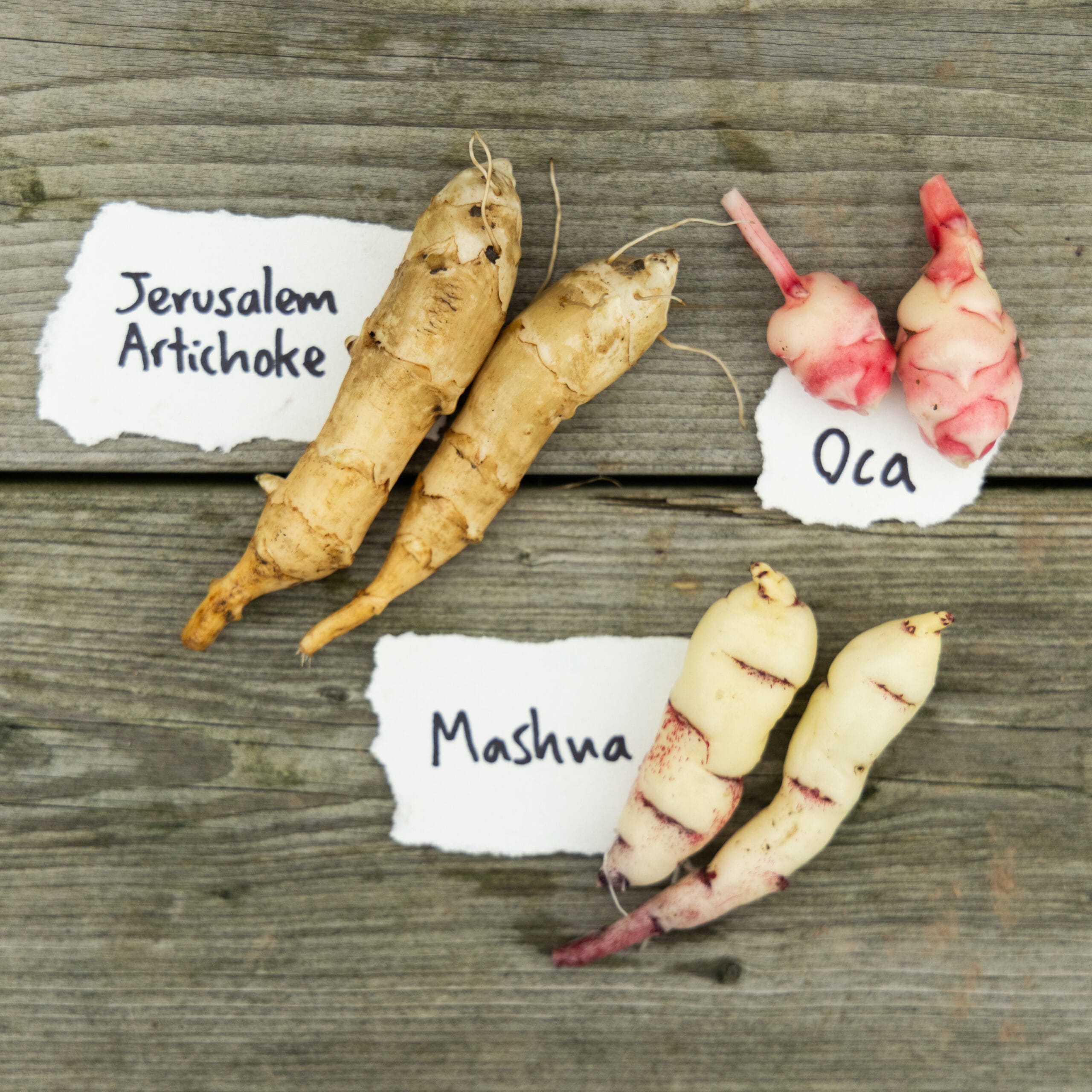
A Rare Edible Tuber Bundle to grow in your garden, including,
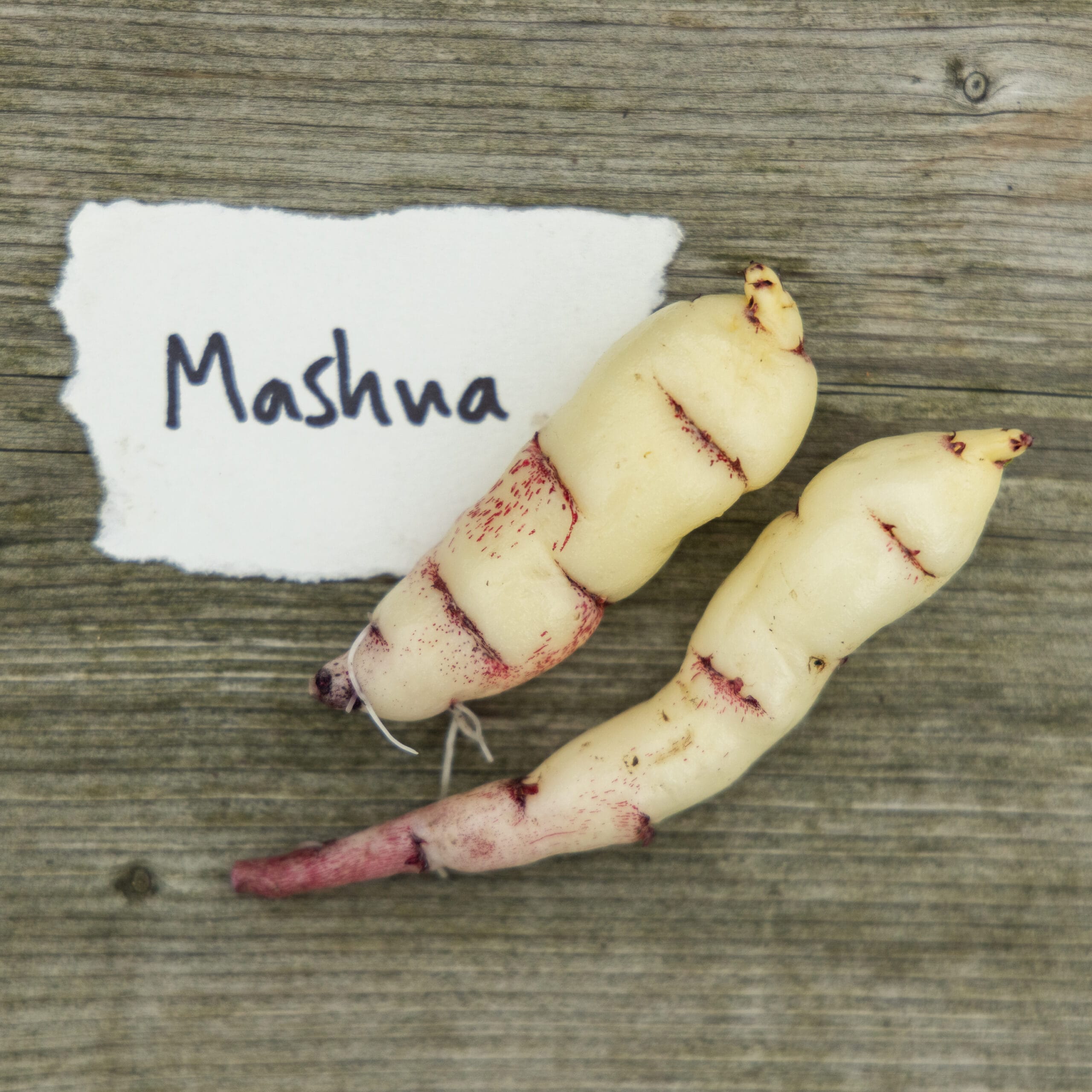
Mashua (Tropaeolum tuberosum) x2
Oca | Aka New Zealand Yam (Oxalis tuberosa) x2
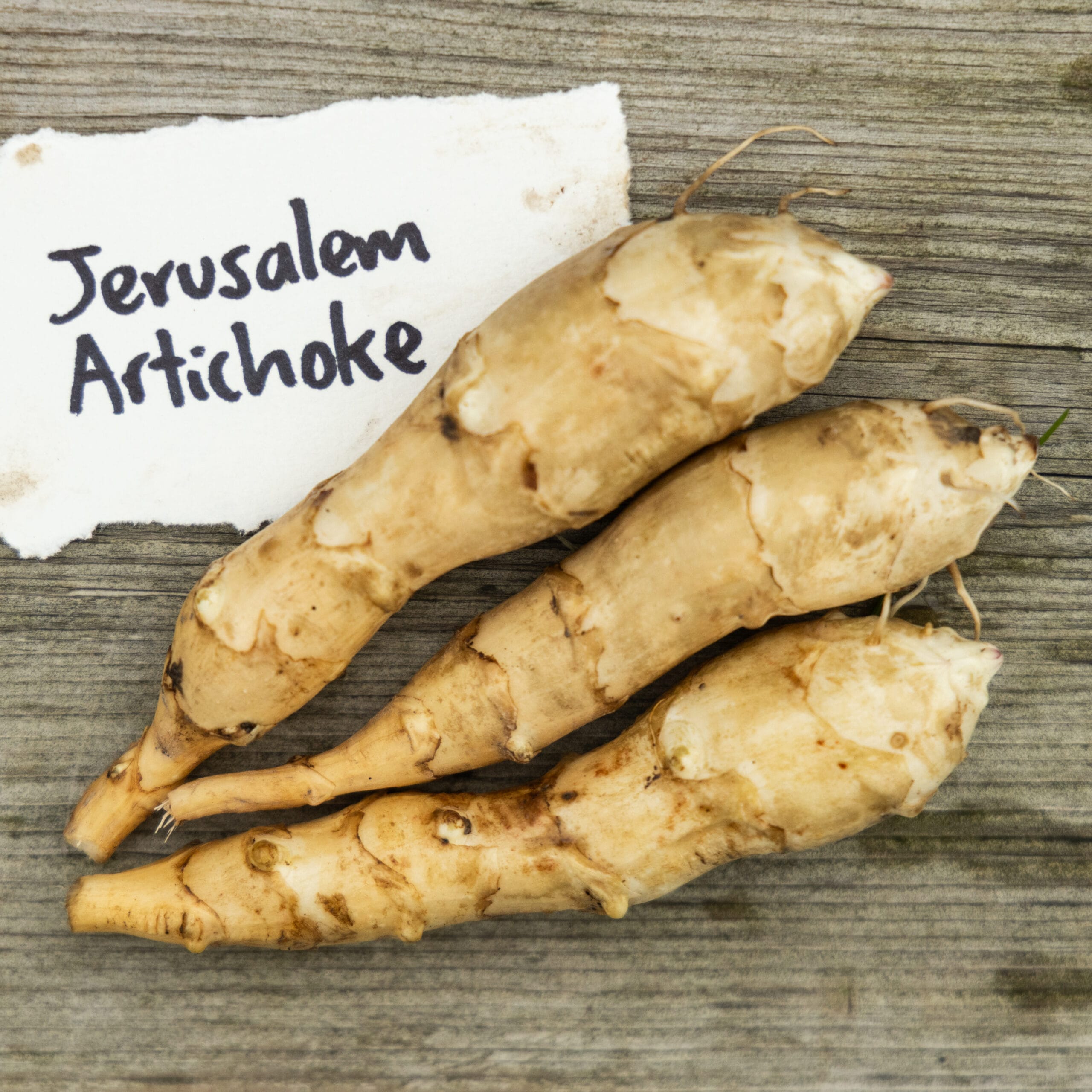
Jerusalem Artichoke ‘Fuseau’ (Helianthus tuberosus) x2
8 in stock
By buying from us you are helping us to support communities. Read more about our 10 for 1 Promise.
Collection includes Mashua, Oca and Jerusalem artichoke ‘Fuseau’
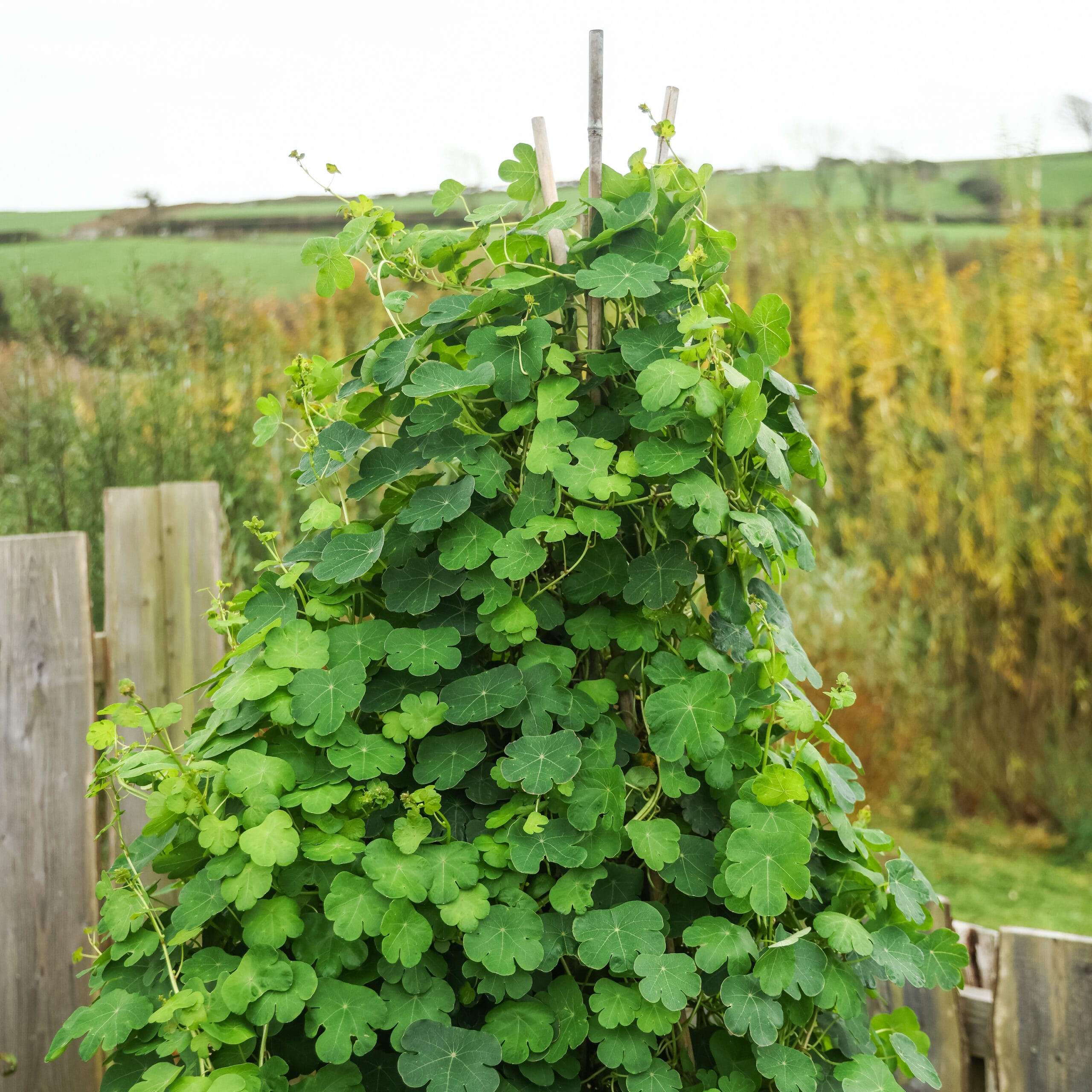
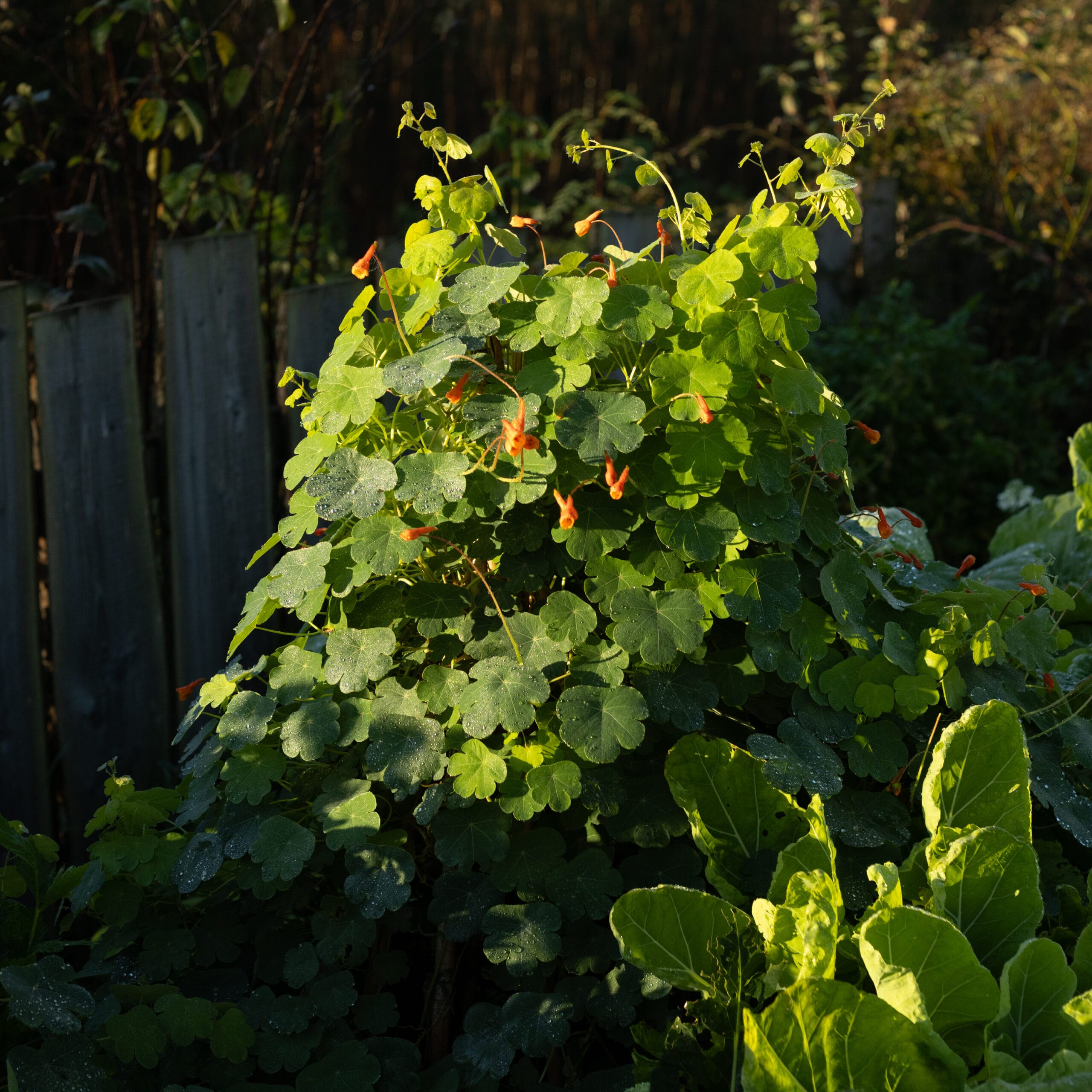
Mashua (Tropaeolum tuberosum)
Note from Huw: Despite a few frosts, over last winter, I was surprised to see how even some left over Mashua roots left on the surface decided to sprout and grow this spring!
A plant with history, myth, and a striking presence in the garden, Mashua is a vigorous climber that weaves itself through trellises and fences, its trailing stems cloaked in lush, emerald-green leaves. In autumn, as the days shorten and the air cools, it bursts into bloom with a cascade of fiery orange flowers, reminiscent of its close cousin, the nasturtium. Beneath the soil, plump, knobbly tubers are quietly forming, their smooth skin blushed with cream, yellow, or even violet hues.
Spicy and pungent when raw, Mashua tubers mellow into a chestnut-like sweetness when roasted or boiled, their texture becoming creamy and yielding. A staple of Andean cuisine, they lend themselves beautifully to stews, bakes, and even pickling. But beware, this is not a plant for the faint of palate. High in isothiocyanates, Mashua has a peppery intensity that rivals wasabi, making it a bold and exciting ingredient for the adventurous cook.
In the garden, Mashua is a force for good. Its vigorous growth makes it an excellent supportive plant, deterring pests with its natural insecticidal properties. It thrives in poor soils, and provides excellent yields in both full sun and partial shade. However, a word of caution: traditional Andean wisdom suggests that high consumption of the tubers may have an impact on male fertility, though this is debated. Treat it as you would a strong spice: a little goes a long way. The leaves and flowers are both edible and delicious.
In mild regions, Mashua tends to spread via seed and tuber, so careful planning and rigorous harvesting are required for control. Harvest tubers in October to December and keep some tubers back in a cool dry place to then plant again the following spring.
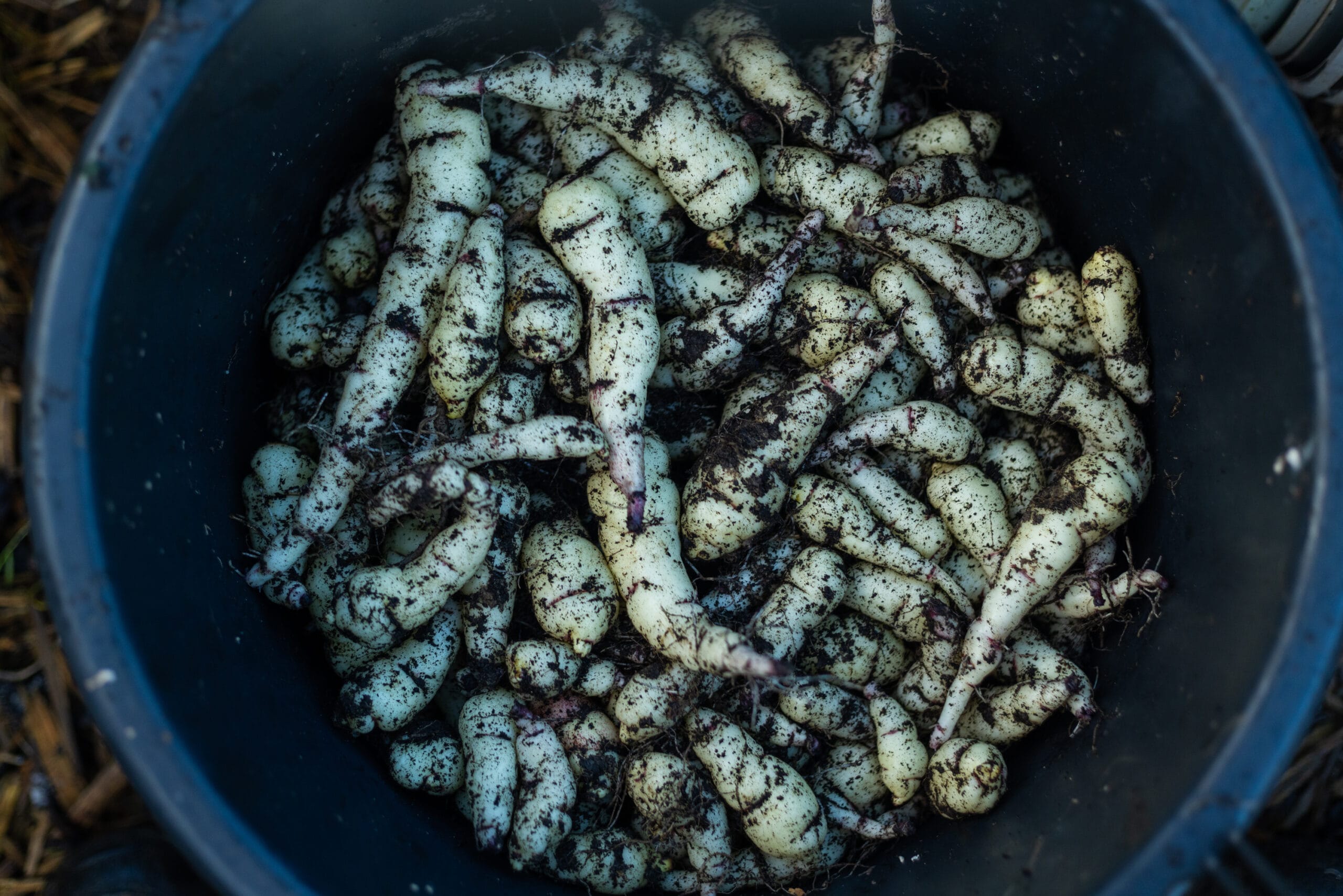
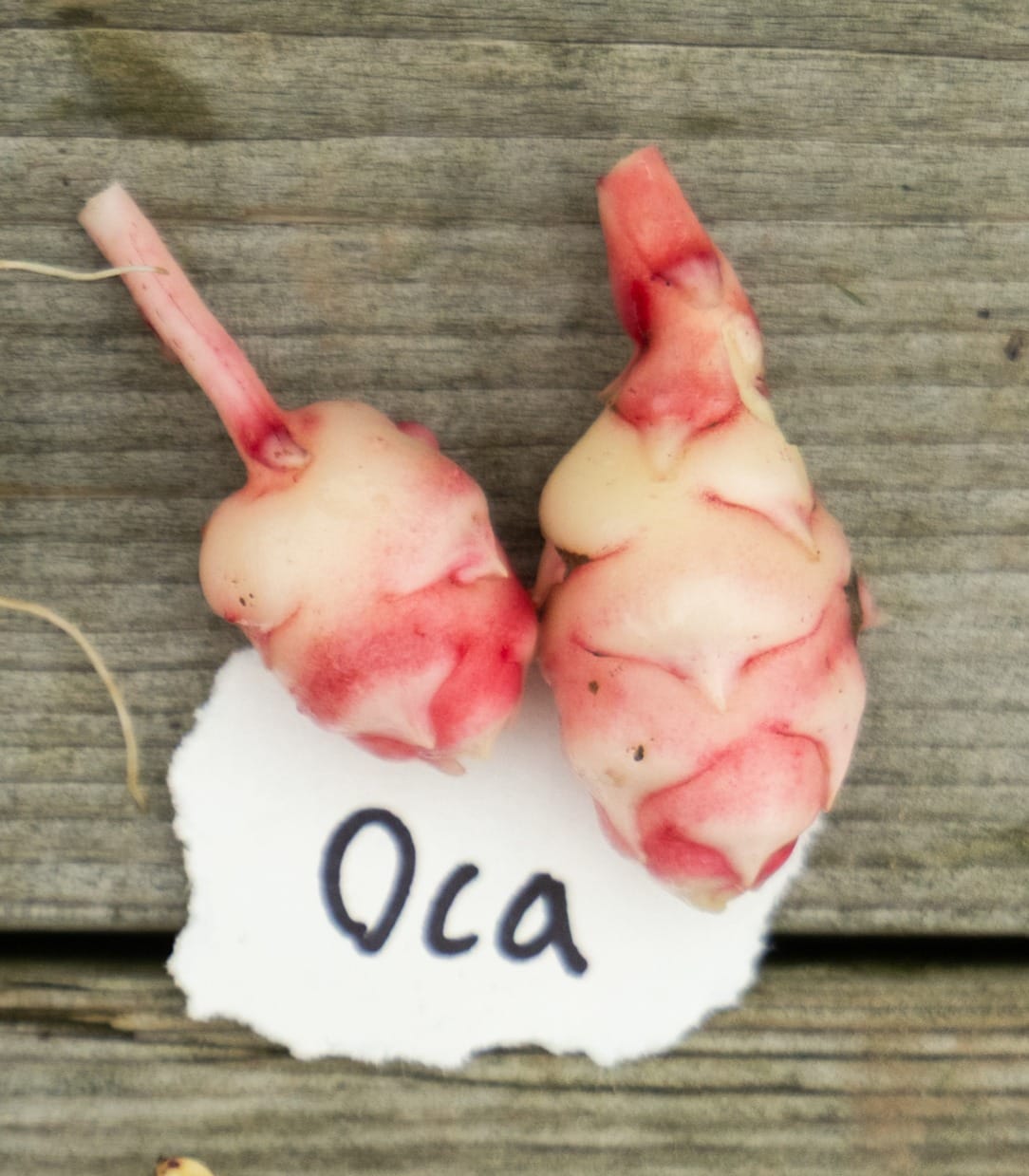
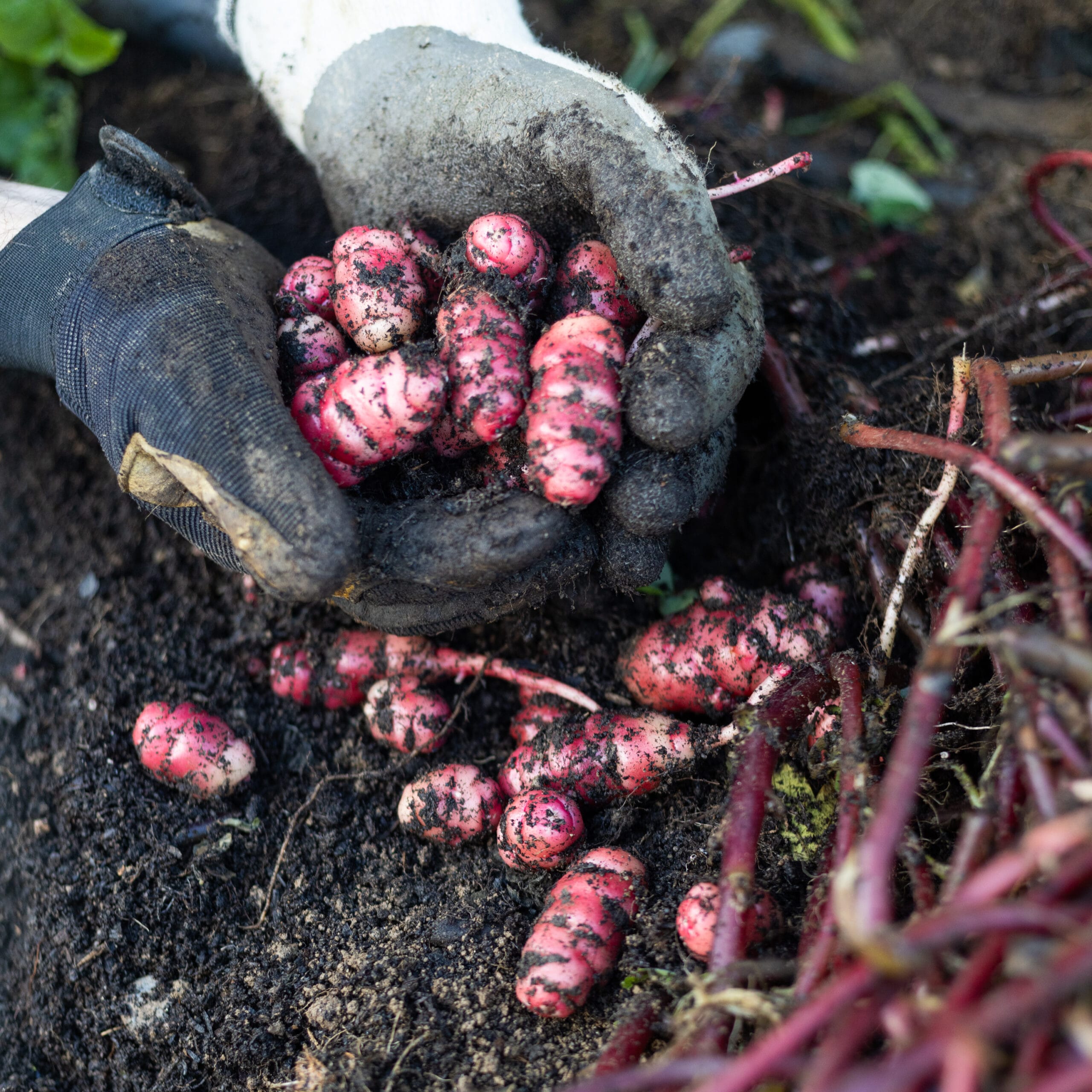
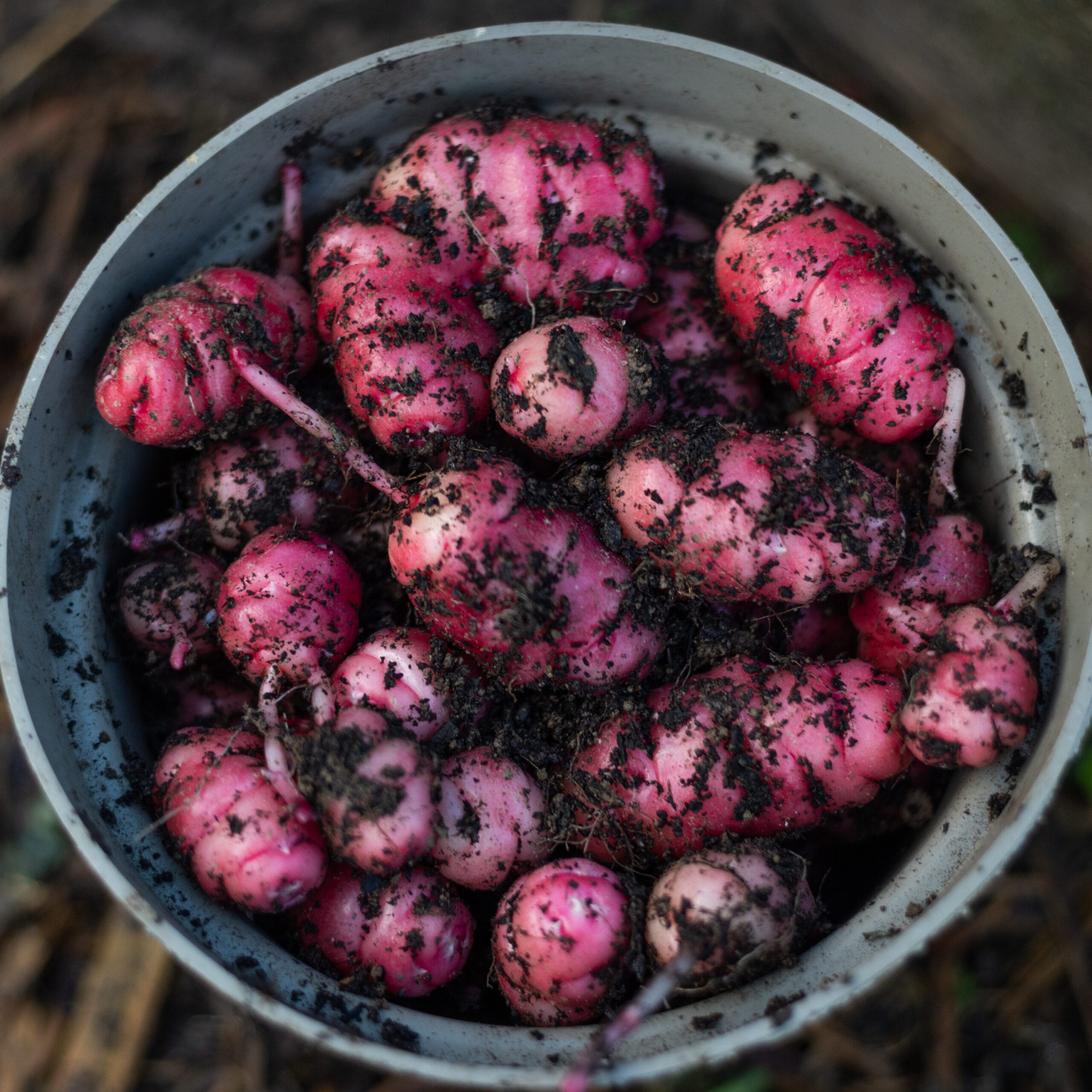
OCA | Aka New Zealand Yam (Oxalis tuberosa) x2
Note from Huw: This was the first unusual perennial vegetable I grew, and I have loved it ever since! Absolutely fantastic roasted!
Oca is a joyful addition to any edible garden its shamrock-like foliage and vibrant tubers bring charm and nutrition in equal measure. Originally from the Andes, it’s well-suited to the UK climate, especially in wetter western regions.
Harvested after the first frosts trigger tuber growth, Oca produces knobbly, jewel-toned roots with a tangy, lemony flavour delicious roasted, fried or added raw to salads. Give it a long season, good light, and don’t rush the harvest, your patience will be rewarded. Save a few Oca tubers back to plant next year.
Jerusalem Artichoke ‘Fuseau’ (Helianthus tuberosus) x2
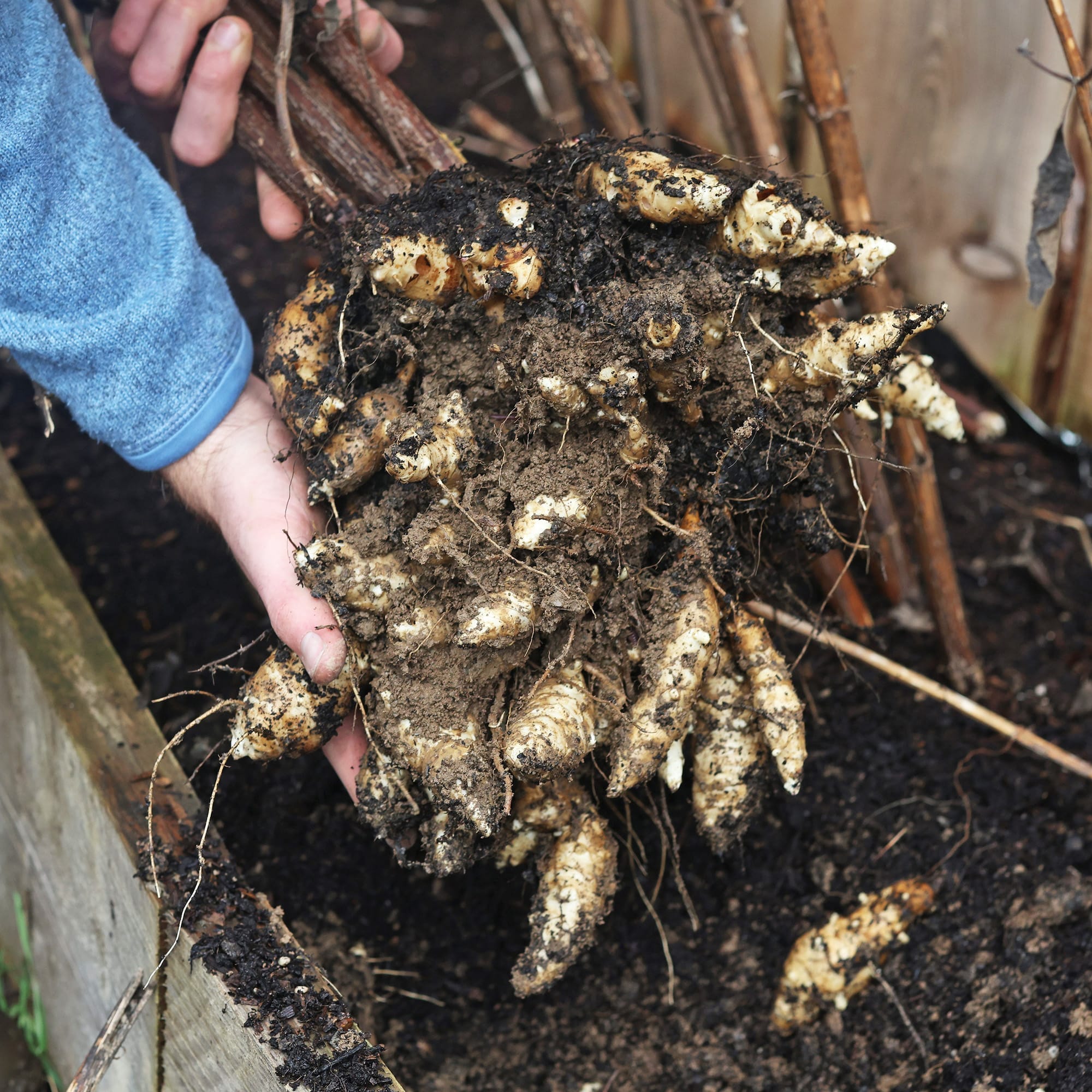
A hardy perennial with tall, sunflower-like blooms, Jerusalem artichokes are as ornamental as they are productive. Beneath the soil, knobbly, golden-brown tubers develop, crisp and nutty when raw, rich and velvety when roasted or mashed. Unlike potatoes, they store energy as inulin, making them a gut-friendly choice for those avoiding starch.
These resilient plants thrive in almost any soil, returning year after year with minimal care. Their towering stems create a natural windbreak or privacy screen (which our chickens love to seek shelter under from the summer sun), while their bright yellow flowers attract pollinators from far and wide. Left unchecked, they can spread vigorously, so regular harvesting helps keep them in check.
A versatile kitchen ingredient, Jerusalem artichokes shine in soups, gratins, and ferments, offering a sweet, earthy flavour. Roasted and honey-glazed is a classic, as is the French Jerusalem artichoke velouté. Just be mindful, excessive consumption can cause digestive discomfort, earning them unflattering nicknames. Fermenting the roots lessen these effects.




Reviews
There are no reviews yet.