
Wormwood (Natural Pest Deterrent)
£5.75
Wormwood (Artemisia absinthium)
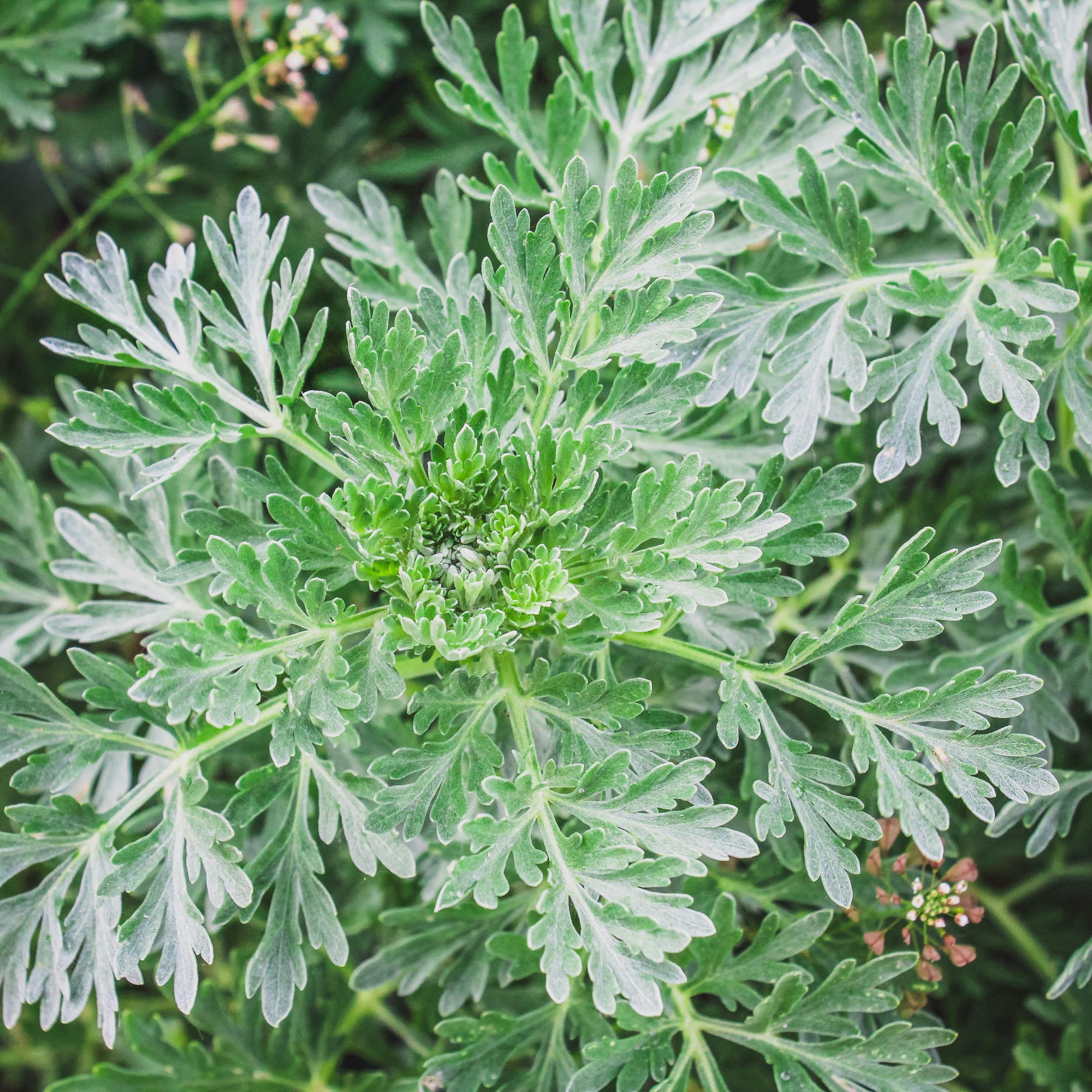
Wormwood is a legendary, woody-based perennial famous for its finely divided, highly aromatic silver-grey foliage. Botanically, it is one of the most intensely bitter herbs known to science and has historically been used to flavour vermouth and absinthe. We do not recommend consuming wormwood, as it contains varying levels of thujone, a naturally occurring volatile compound that, in high doses, is a neurotoxin. Wormwood is a useful defensive plant. The intense scent emitted by its foliage acts as a powerful olfactory mask and direct deterrent against a wide array of herbivorous insects, including flea beetles, whiteflies, and cabbage white butterflies.
Perennial | 60/100cm tall | Full sun | Highly aromatic foliage (Toxicity warning) | Potent natural pest deterrent
Email when stock available
Wormwood (Artemisia absinthium)
1 well-established plant in a 9cm pot, sent in plastic-free packaging. A striking, silver-leaved herbaceous perennial, prized for its intense aromatic properties, historical use in distilling, and pest-deterrent qualities.
Perennial | 60/100cm tall | Full sun | Highly aromatic foliage (Toxicity warning) | Potent natural pest deterrent
Wormwood is a legendary, woody-based perennial famous for its finely divided, highly aromatic silver-grey foliage. Botanically, it is one of the most intensely bitter herbs known to science and has historically been used to flavour vermouth and absinthe. We do not recommend consuming wormwood, as it contains varying levels of thujone, a naturally occurring volatile compound that, in high doses, is a neurotoxin.
Wormwood is a useful defensive plant. The intense scent emitted by its foliage acts as a powerful olfactory mask and direct deterrent against a wide array of herbivorous insects, including flea beetles, whiteflies, and cabbage white butterflies.
Wormwood is an incredibly tough, drought-resilient plant. Holding an RHS H6 hardiness rating, it is completely frost-hardy across the UK, easily surviving temperatures down to -20°C. It strictly requires full sun and highly free-draining, even poor or stony soil; planting it in rich, waterlogged clay can lead to winter crown rot. Because of its allelopathic nature, horticultural best practice dictates planting it as a standalone specimen, in a large container, or on the absolute perimeter of a vegetable plot, as placing it too close to delicate crops (such as fennel, caraway, or tomatoes) will actively stunt their growth. To maintain a neat, bushy framework and prevent the stems from becoming straggly and bare at the base, it responds exceptionally well to a hard pruning back to the lower buds in late winter or early spring.

Reviews
There are no reviews yet.